
The Short Answer
Getting a garage door ready for winter in Montverde, FL doesn't mean insulating against snow — it means closing out hurricane season cleanly. Check for storm-related wear on springs, tracks, and rollers, clear out the rust and swelling that months of humidity and afternoon downpours leave behind, and reseal the door so cooler, drier air doesn't find every gap your door developed over the summer. Do that in the next few weeks and the door will run quieter and last longer through the mild winter ahead.
Why This Window Matters Here
Lake County doesn't get the freeze-thaw damage that wrecks garage doors up north, but it gets something just as hard on hardware: a long, humid storm season followed by a stretch of drier, cooler weather. That swing matters. Wood panels and composite doors that swelled slightly in the humidity can start to shrink as the air dries out, which is exactly when gaps, rattles, and uneven seals show up. It's also the best time to catch anything that hurricane-season wind load and heavy rain quietly damaged before it turns into a bigger repair.
Start With a Storm-Damage Inspection
Before you do anything else, walk the door and look for what the last few months of weather left behind.
- Springs: Look for visible rust, flat spots, or gaps between coils. Repeated wind load on the door during storms puts extra strain on springs that were already working hard in the heat.
- Tracks and rollers: Check that the tracks are still straight and bolted tight. Heavy, wind-driven rain can loosen mounting hardware over time, and a track that's even slightly off can lead to an off track door.
- Panels and seams: Look closely at seams and corners for water staining or soft spots, especially on doors facing the prevailing wind during afternoon storms.
- Weatherstripping: Press on the rubber seal along the bottom and sides. If it's cracked, flattened, or pulling away, it already let in moisture this summer and will let in cooler air now.
Deal With Rust Before It Spreads
Humidity and salt-tinged air don't just cause rust on springs — they get into hinges, roller stems, and the tracks themselves. A light surface rust is manageable if you catch it early:
- Wipe down hardware with a dry cloth, then a rust-penetrating spray on any spots that have started to discolor.
- Use a wire brush on stubborn spots before applying a fresh coat of lubricant.
- Lubricate springs, hinges, and rollers with a silicone-based garage door lubricant — avoid regular WD-40 for long-term lubrication since it doesn't hold up well and can attract grit.
If a spring has visible rust pitting or you notice gaps between coils, that's not a lubrication fix. A compromised spring under tension is a safety issue, and this is one job best left to a professional garage door spring repair visit rather than a DIY attempt.
Reseal Against the Drier, Cooler Air Coming
As humidity drops in the coming months, gaps that didn't matter much during the wet season start letting in drafts, dust, and the occasional cold front. Replacing worn bottom seals and side weatherstripping now does two things: it keeps the garage more temperature-stable, and it stops water intrusion if there's one more late-season storm before the weather fully turns. If you're noticing daylight around the edges of a closed door, that's your sign the seals are due.
Test the Opener and Backup Battery
Garage door openers take a beating during storm season — power flickers, surges, and the door cycling more often as people seal up before weather hits. Before winter settles in:
- Test the auto-reverse safety feature by placing a block under the door and confirming it reverses on contact.
- Check the battery backup, if your opener has one. After a season of outages, it may be weaker than it should be.
- Listen for grinding or straining sounds during operation, which often point to a motor working harder than it should because of drag elsewhere in the system.
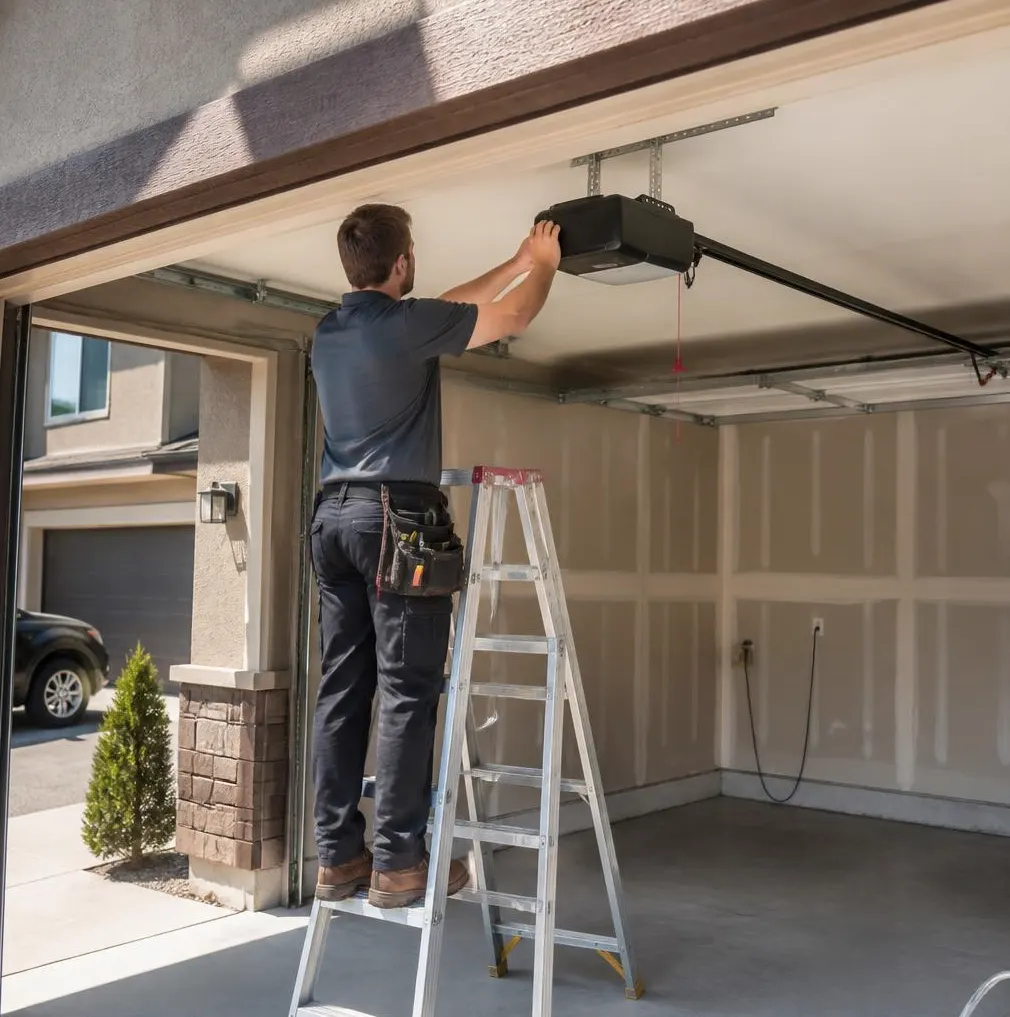
If the opener is more than a decade old or struggling to keep up, a garage door opener installation now is easier to schedule than it will be after the first cold snap sends everyone's hardware into overdrive at once.
Cables and Rollers: Small Parts, Big Consequences
Frayed cables and worn rollers are easy to overlook because the door still opens and closes — until suddenly it doesn't. Fraying usually shows up near the bottom bracket, and worn rollers often announce themselves with a rhythmic thumping or jerky movement. Cable and roller replacement is a straightforward job when caught early and a far more disruptive one when a cable snaps mid-cycle.
When to Call Montverde Garage Door Experts
If your inspection turns up rusted springs, a door that's drifted off track, or an opener that's clearly struggling, that's the point to stop troubleshooting and call in a local garage door technician. Montverde Garage Door Experts handles garage door spring repair and off track door repair as same-day jobs throughout Montverde and the surrounding Lake County area, and can walk through a full garage door maintenance and tune-up to catch anything your own inspection might miss — from hidden rust on hardware to a weatherstripping replacement that actually fits your door's wear pattern.
Call to Action
If your garage door needs a post-storm-season once-over before winter settles in, call Montverde Garage Door Experts for fast, honest service throughout Montverde, FL and nearby Lake County communities.